

Warblers 101
An introductory guide to North America’s avian crown jewels

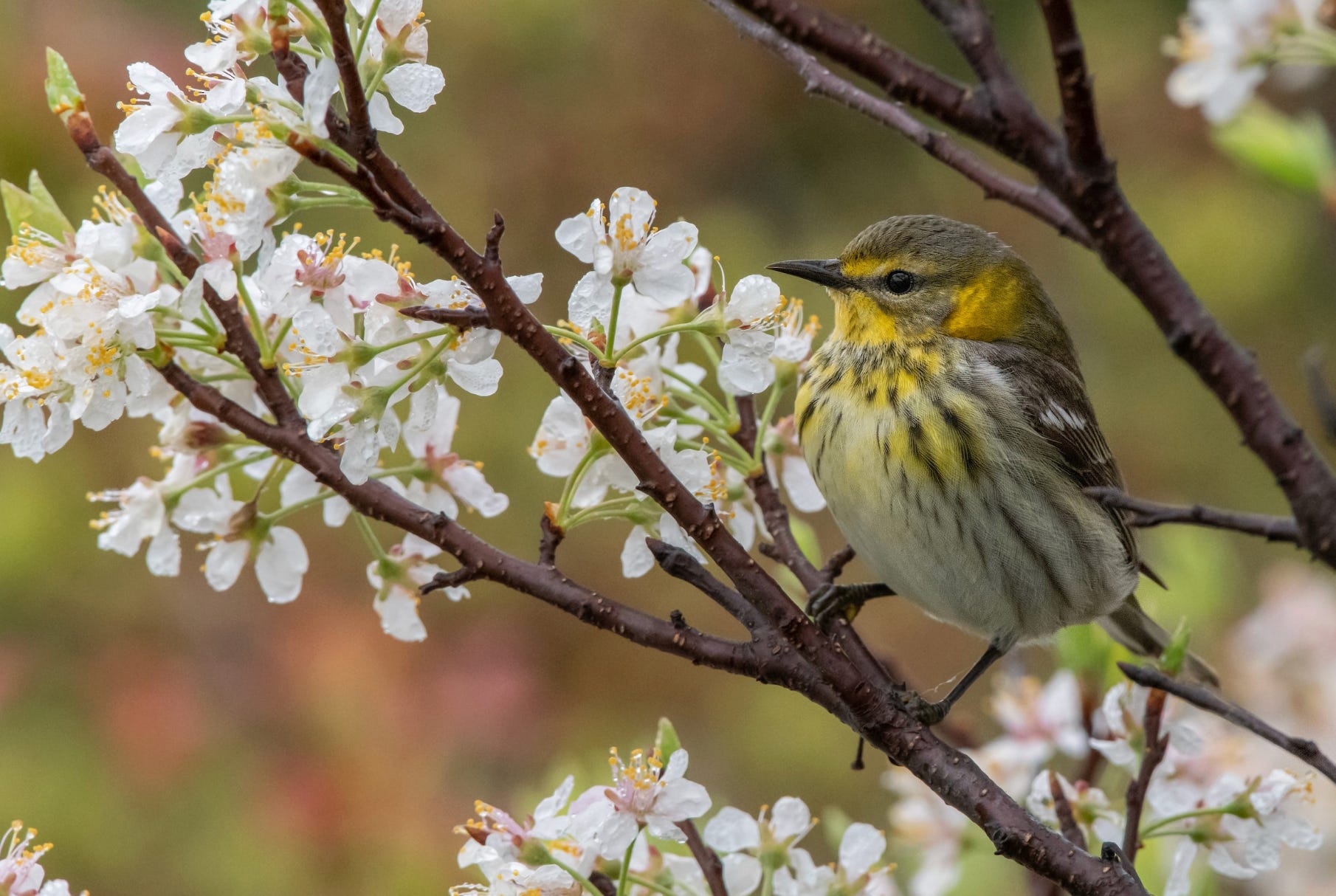
Warblers are a flash of color and song, darting through forests, shrubs, and marshes like living jewels. At first, they feel like a vivid kaleidoscope—fleeting and indistinct, ever-changing—but with a closer look, that colorful blur resolves into a myriad of distinct, highly specialized species, their colors ranging from subtle blacks, whites, and grays to vivid flashes of blue, green, orange, and yellow.
That resolution comes in moments we never forget. A Northern Yellow Warbler sings sweetly from a willow, a Black-and-white Warbler creeps along a maple trunk, and a Blackpoll Warbler’s piercing song cuts through the canopy, audible only to the keenest ears. Small and dazzling, warblers seem approachable—but their dizzying diversity, seasonal transformations, and subtle behaviors can confound even veteran birders, often leaving them craning upwards in the classic “warbler neck” stance.
Yet for those willing to look more closely—and to endure the challenges they present—warblers reveal a hidden world of complexity and wonder. Their fleeting appearances and intricate behaviors reward patience and sharpen attention to detail, turning each encounter into a small but meaningful triumph. As you begin to recognize plumage patterns, learn their songs, and understand their seasonal movements, your birding skills grow in ways that extend far beyond this single family.
At Birding University, this primer will guide you through the basics of warbler taxonomy, ecology, migration, and conservation, laying the foundation and interest to unlock the secrets of this extraordinary group for years to come.
What Exactly Are Warblers?
Unfortunately, bird names don’t always follow clear taxonomic lines. “Grosbeak,” for example, can refer to true finches like the Evening or Pine Grosbeaks, or to members of the cardinal family, such as the Rose-breasted Grosbeak. “Sparrow” is similarly broad, spanning multiple families—from New World sparrows (Passerellidae) to Old World sparrows (Passeridae).
Unsurprisingly, warblers follow suit. Around the world, a wide variety of small, active songbirds are called “warbler,” from the leaf warblers (Phylloscopidae)—one of the most challenging groups to identify visually—to the reed warblers (Acrocephalidae), both of Eurasia and Africa.
However, to many birders, the quintessential “warbler” refers specifically to the New World warblers of the family Parulidae, a lineage of small, primarily insectivorous songbirds found only in the Americas. Also called “wood-warblers,” Parulid warblers are delicate in appearance but remarkably dynamic—defined as much by their complex life histories, restless movements, and intricate behaviors as by their vivid plumage.
Warbler Diversity & Distribution
Some 116 species occur across the Americas, with over 50 breeding regularly in the United States and Canada or showing up as vagrants. Most spend the Boreal summer nesting in temperate or northern forests, including the Boreal Forest, then embark on long migrations to the southern U.S., Mexico, Central America, the Caribbean, or northern South America for the nonbreeding season.
This hemispheric lifestyle shapes nearly everything about them—from physiology and behavior to timing, diet, and the diverse habitats they rely on throughout the year—making warblers a fascinating study in adaptation, endurance, and ecological connectivity as much as field identification. If you go birding in a given terrestrial environment, there’s a good chance warblers aren’t far away.
The overview of genera below focuses on species found in the United States and Canada, the geographic scope of this primer. It also focuses on the Boreal spring and summer months, as plumage and habitats can vary widely during the autumn and winter.
Seiurus & Parkesia
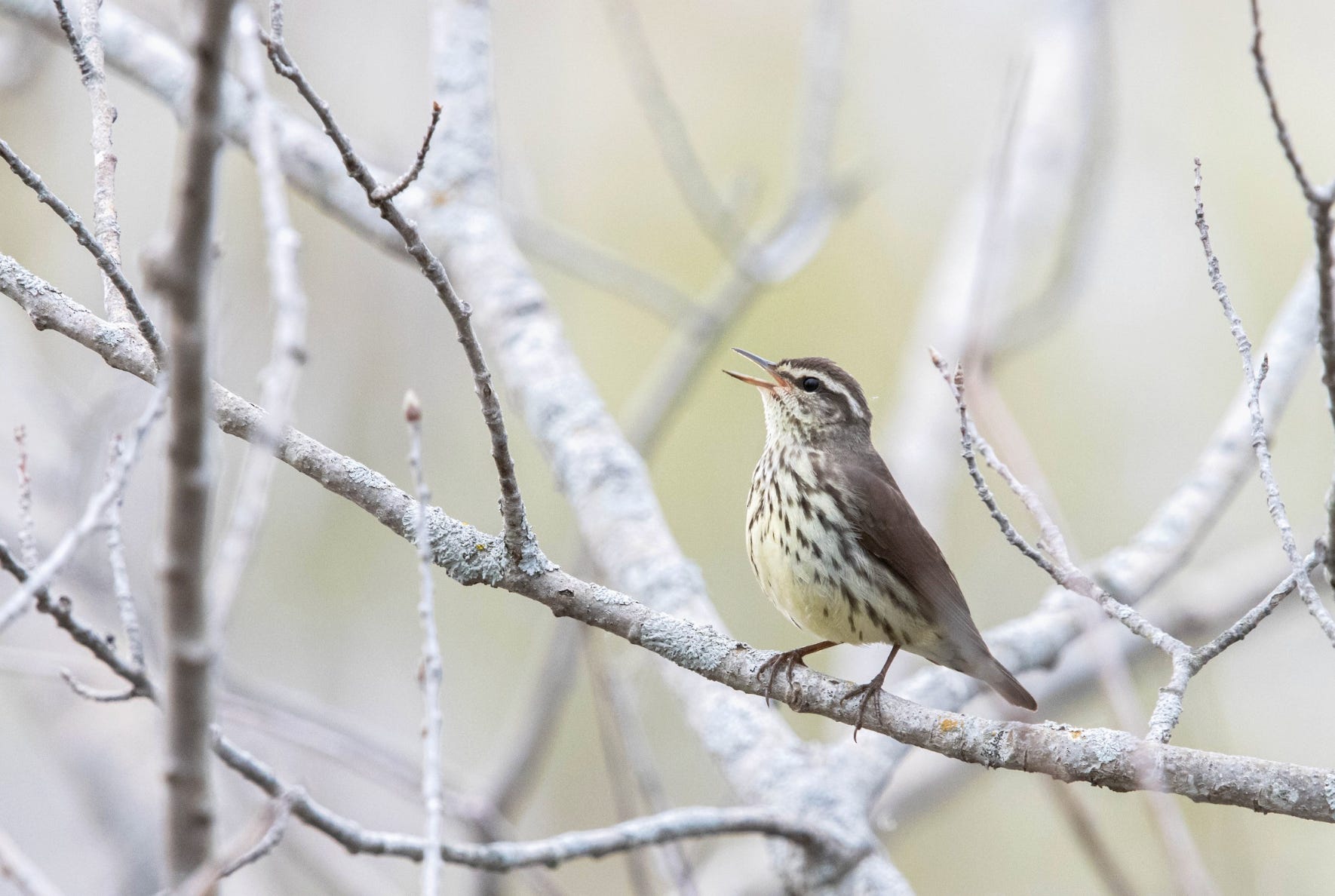
How many? Includes three species in Canada and the United States: Ovenbird (Seiurus), and Louisiana and Northern Waterthrushes (Parkesia).
ID cues: Brown, streaked plumage that blends into leaf litter; walk or run on the ground rather than hopping; loud, ringing songs that often reveal their presence.
Habitat(s): Forest floor, leaf litter, stream edges, and wet forests.
Behavior & ecology: Ground-foragers feeding on insects and small invertebrates. Often sing from concealed locations, with males defending territories via loud vocalizations.
Fun fact: The Ovenbird gets its name from its dome-shaped, oven-like nest built on the forest floor—a unique structure among warblers that inspired its common name.
Vermivora
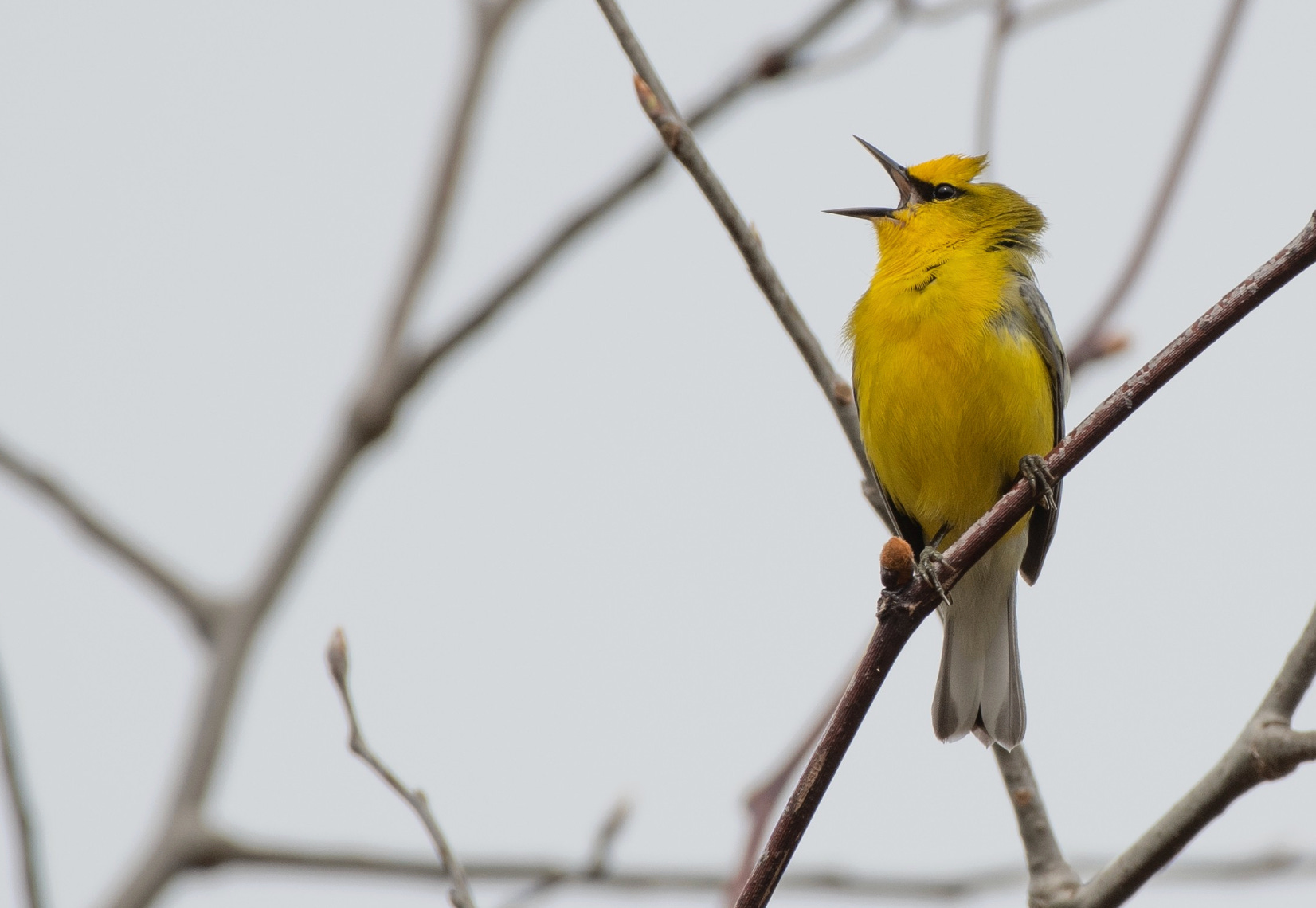
How many? Includes three species in Canada and the United States: Blue-winged Warbler, Golden-winged Warbler, and Bachman’s Warbler (extinct). In the past, several other species were once classified as Vermivora.
ID cues: Generally small and slim with a pointed bill, Vermivora warblers are often boldly patterned, with yellow or gray tones and bold black markings on the face or distinctive wing bars.
Habitat(s): Forest edges, shrubby areas, and second-growth woodlands. Often found in low to mid-level vegetation rather than high canopy.
Behavior & ecology: Active gleaners, frequently moving through foliage in search of insects.
Fun fact: Blue-winged and Golden-winged Warblers hybridize in overlapping ranges, producing a variety of distinct forms and backcrosses that create interesting identification challenges for birders.
Geothlypis & Oporornis
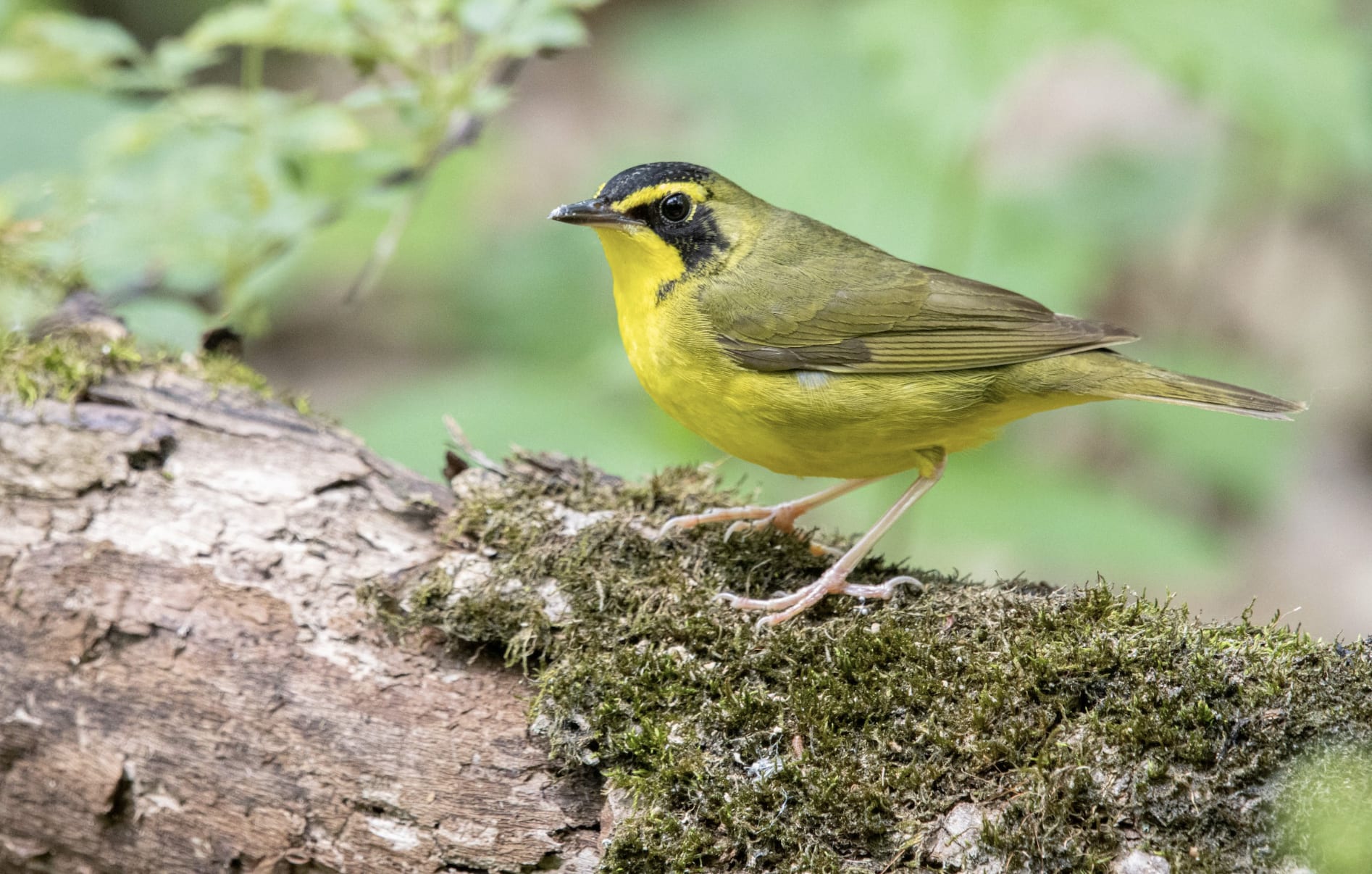
How many? Includes about five regularly occurring species in Canada and the United States: MacGillivray’s, Mourning, and Kentucky Warblers, and Common Yellowthroat (Geothlypis) and Connecticut Warbler (Oporornis).
ID cues: Bold facial patterns like masks, bibs, or eyerings; generally olive or brown upperparts with yellow underparts.
Habitat(s): Dense shrubs, tangled understory, and marsh edges. Visibility is often limited.
Behavior & ecology: Forage close to the ground or in low vegetation.
Fun fact: Connecticut Warblers can be particularly tough to find and are considered one of the most challenging species to find across their range. Thankfully, we put together a Birding Tip to find one of North America’s most elusive species.
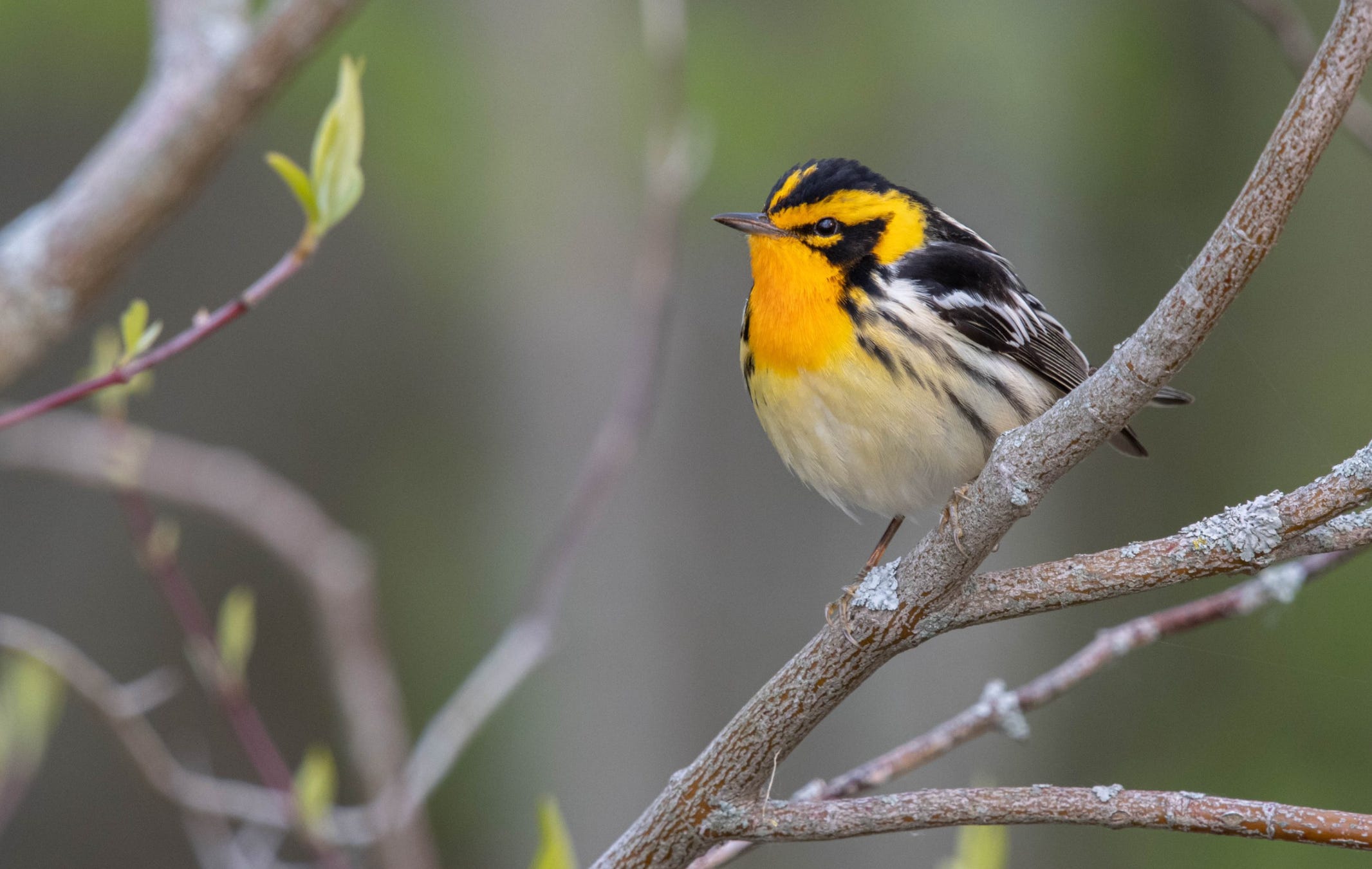
Setophaga
How many? This genus contains most of North America’s familiar warblers, including about 25 species commonly seen in Canada and the United States, such as Hooded, Cape May, Cerulean, Black-throated Blue, Yellow-rumped, and Black-throated Green Warblers, along with the American Redstart.
ID cues: Bright plumage, strong contrast, and nearly constant movement through vegetation.
Habitat(s): Deciduous and mixed forests. Species in this group often occupy different layers of the same trees—a pattern that helped researchers develop the concept of ecological niche partitioning.
Behavior & ecology: Highly active foragers; males often sing conspicuously. Breeding typically involves open-cup nests in trees. Many are long-distance migrants who winter in Central America, the Caribbean, or northern South America.
Fun fact: Originally established in 1827 for the American Redstart, the genus Setophaga now includes most former Dendroica species following genetic studies that merged the two genera, making it the primary genus for North America’s colorful warblers.
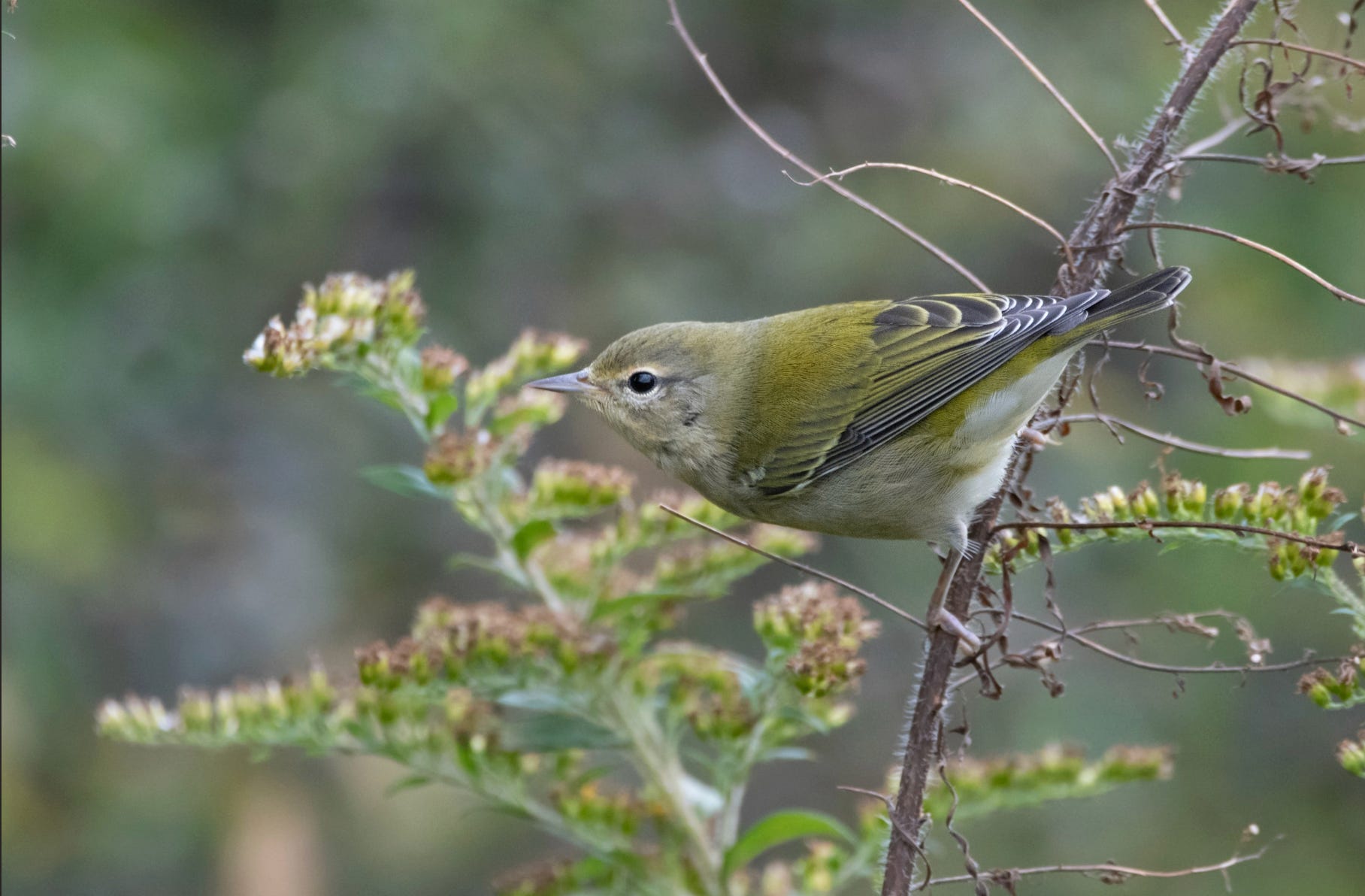
Leiothlypis
How many? Includes about six species in Canada and the United States: Tennessee, Orange-crowned, Colima, Lucy’s, Nashville, and Virginia’s Warblers.
ID cues: Small, somewhat indistinct warblers, this group is often a palette of soft colors—grays, olives, muted yellows; identification relies on subtle patterns and location of given colors rather than bold field marks
Habitat(s): Forest canopy, midstory, and edges, often seen during migration.
Behavior & ecology: Active gleaners, frequently moving through foliage.
Fun fact: Most Colima Warblers reside in Mexico year-round, primarily breeding in the Sierra Madre Oriental. But each year, several dozen pairs breed at high elevation within the Chisos Mountains of Big Bend National Park in Texas. It is one of the hardest warbler species to find in the United States.
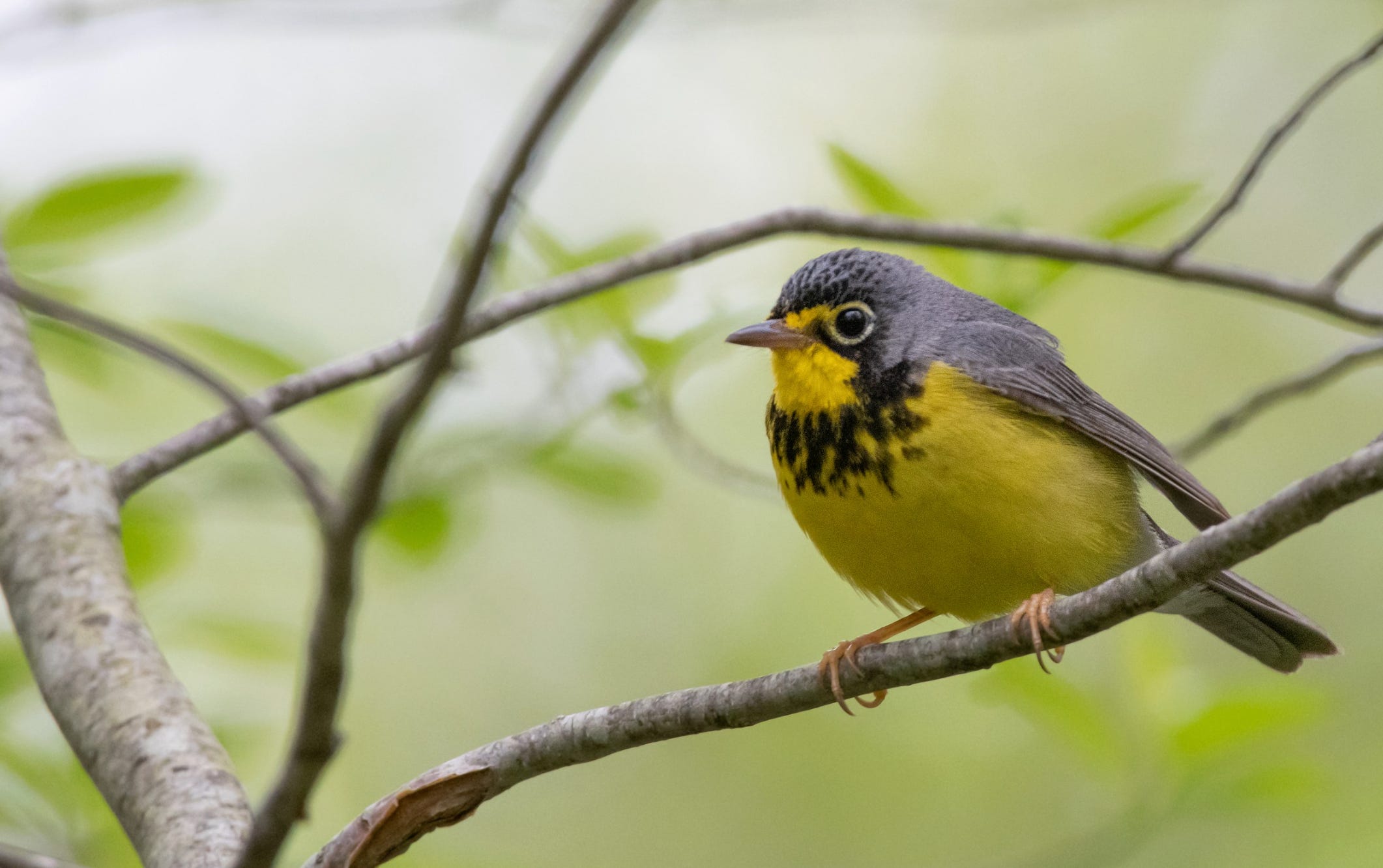
Cardellina & Myioborus
How many? Includes about five species in Canada and the United States: Canada, Wilson’s, and Red-faced Warblers (Cardellina), and Painted and Slate-throated Redstarts (Myioborus), with additional species occurring south of the U.S.–Mexico border.
ID cues: Small to medium-sized warblers with striking color combinations—reds, yellows, black, white, and bright contrasts; identification often relies on color patterns, behavior, and habitat. Many Myioborus species display bold tail patterns that they flash while foraging.
Habitat(s): Forests, woodland edges, montane and highland forests, canyons, and shrubby areas.
Behavior & ecology: Active insectivores, gleaning insects from foliage or hopping along branches. Myioborus warblers often fan or flick their tails to startle prey.
Fun fact: Cardellina species like the Red-faced Warbler are prized for their striking facial patterns, while Myioborus “Redstarts” get their name from the behavior of flashing tail feathers to flush insects—similar to the American Redstart—but unlike the red or orange tails of the latter, Myioborus species display striking white in their tail feathers, making their foraging displays distinctive and rewarding to observe.
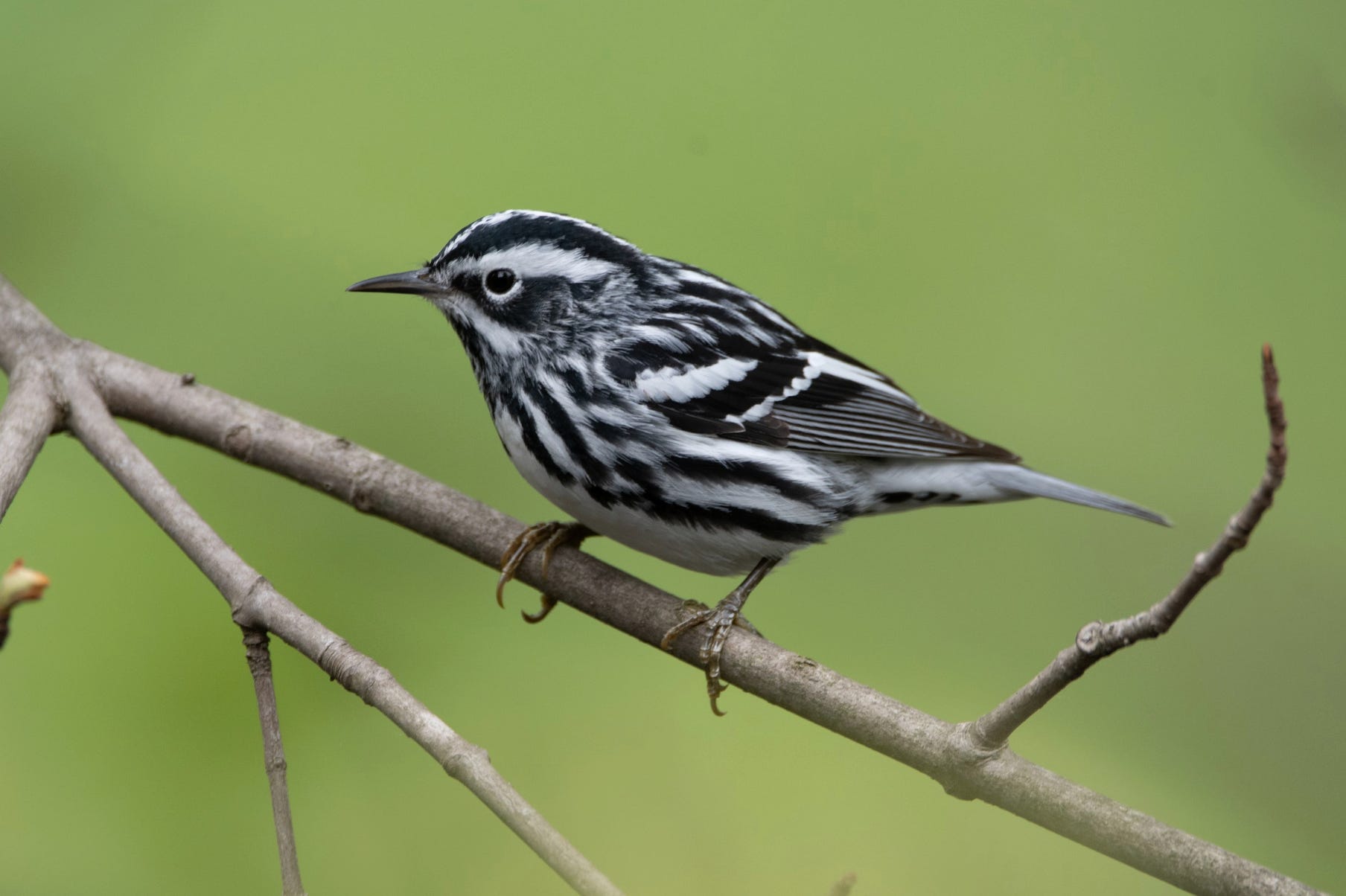
Miscellany Genera
How many? A few species stand alone in their own genera in the United States and Canada, each with distinctive traits: Black-and-white Warbler (Mniotilta), Prothonotary Warbler (Protonotaria), Worm-eating Warbler (Helmitheros), and Swainson’s Warbler (Limnothlypis). While this may be a catch-all category, these species are among some of the most beloved warblers in North America.
ID cues: Black-and-white Warbler is distinctive with its zebra-like stripes, while Prothonotary Warbler is brilliant yellow and a cavity nester; Worm-eating and Swainson’s Warblers are secretive, drab, and skulking.
Habitat(s): Black-and-white prefer deciduous and mixed forests, while Prothonotary favors swampy wetlands; Worm-eating and Swainson’s prefer dense understory in forests.
Behavior & ecology: All are primarily insectivorous; secretive species rely on dense cover for protection. Breeding behaviors vary with habitat—cavity-nesters versus ground/understory nesters.
Fun fact: Prothonotary Warbler is the only warbler species in the eastern United States to nest in a cavity. Do you know which warbler species does so in the American West?
Masters of Migration
Warblers are among the most accomplished migratory birds in the world. Many species undertake journeys spanning thousands of miles between discrete breeding and wintering grounds, navigating across continents and, in some cases, the open ocean.
The Blackpoll Warbler stands as one of the most remarkable examples. During post-breeding migration in the Boreal autumn, individuals depart northeastern North America and fly nonstop over the Atlantic Ocean to reach South America—a journey that can exceed 2,000 miles without rest, sometimes taking around three days.
Other species take different approaches, moving in stages and stopping frequently to refuel, found at key migratory hotspots and stopovers. Regardless of strategy, migration defines the warbler experience—for the birds themselves and for the birders who await their arrival each spring and fall.
A Group at Risk
Despite their apparent abundance during migration, many warblers face significant conservation challenges and are among our most rapidly declining species. Because they depend on multiple habitats across continents—breeding grounds, stopover sites, and wintering areas—they are especially vulnerable to environmental change.
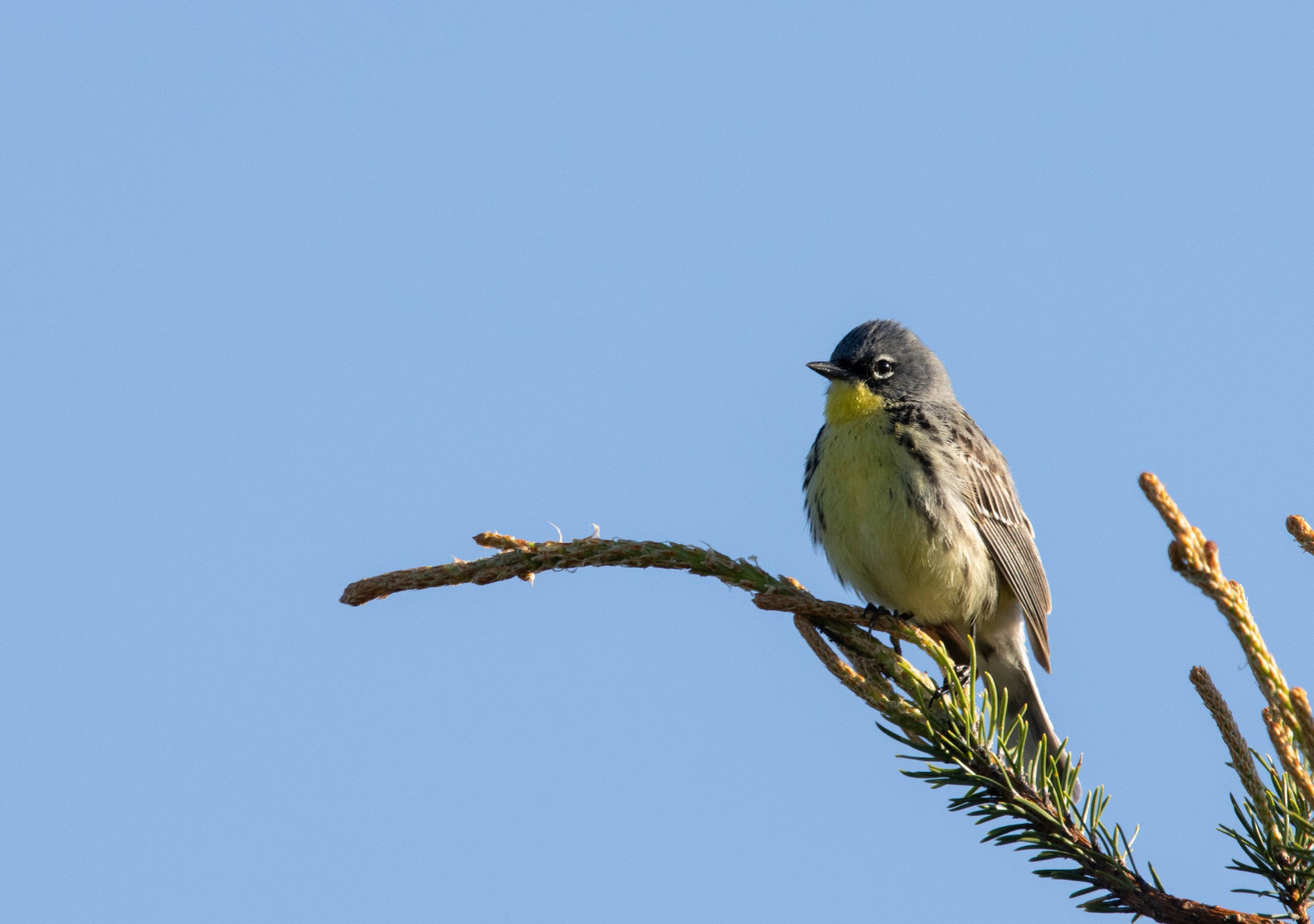
Species like the Cerulean Warbler have declined due to the loss of mature deciduous forests, while Golden-winged Warblers face pressures from habitat change and hybridization. Kirtland’s Warbler, once on the brink of extinction, depends on young jack pine forests maintained through careful management—one of North America’s most well-known conservation success stories. Wetland-dependent species contend with drainage and development, and all warblers are affected, to varying degrees, by climate change, building collisions, and other anthropogenic factors.
Conservation efforts that protect forests, wetlands, and migratory corridors are essential—not only on local breeding or stopover sites, but throughout the entire hemisphere, covering the full annual cycle of these migratory birds.
Final Reflection
Warblers may be small, but they are mighty in presence. At first, they can feel overwhelming—a blur of yellow, green, or blue and constant, flitting motion—but with time, patterns and familiarity begin to emerge. From those patterns comes a deeper understanding of identification, behavior, ecology, migration, and conservation. At Birding University, we’ll guide you step by step through these key elements of warbler study.
Advancing Your Warbler Knowledge
If you love warblers—or are curious why they’re so beloved—this Warblers 101 primer is just the beginning. Be on the lookout for our Warblers Study Series, launching in April 2026 for paid subscribers, where we’ll dive deeper into identification, habitat, migration, conservation, and how to attract warblers to your home. We’ll also share tips for finding more warblers during your birding outings, with content building from a 201 to 401 level over the course of a full quarter.
I am so looking forward to the warblers in Chicago this Spring. They are beautiful
and amazing in their colors, behaviors and preferred habitats. Thank you for this
wonderful prelude to being able to experience them again this year with appreciation
and wonder.