
Study Series: Warblers 401a
When warblers break the rules

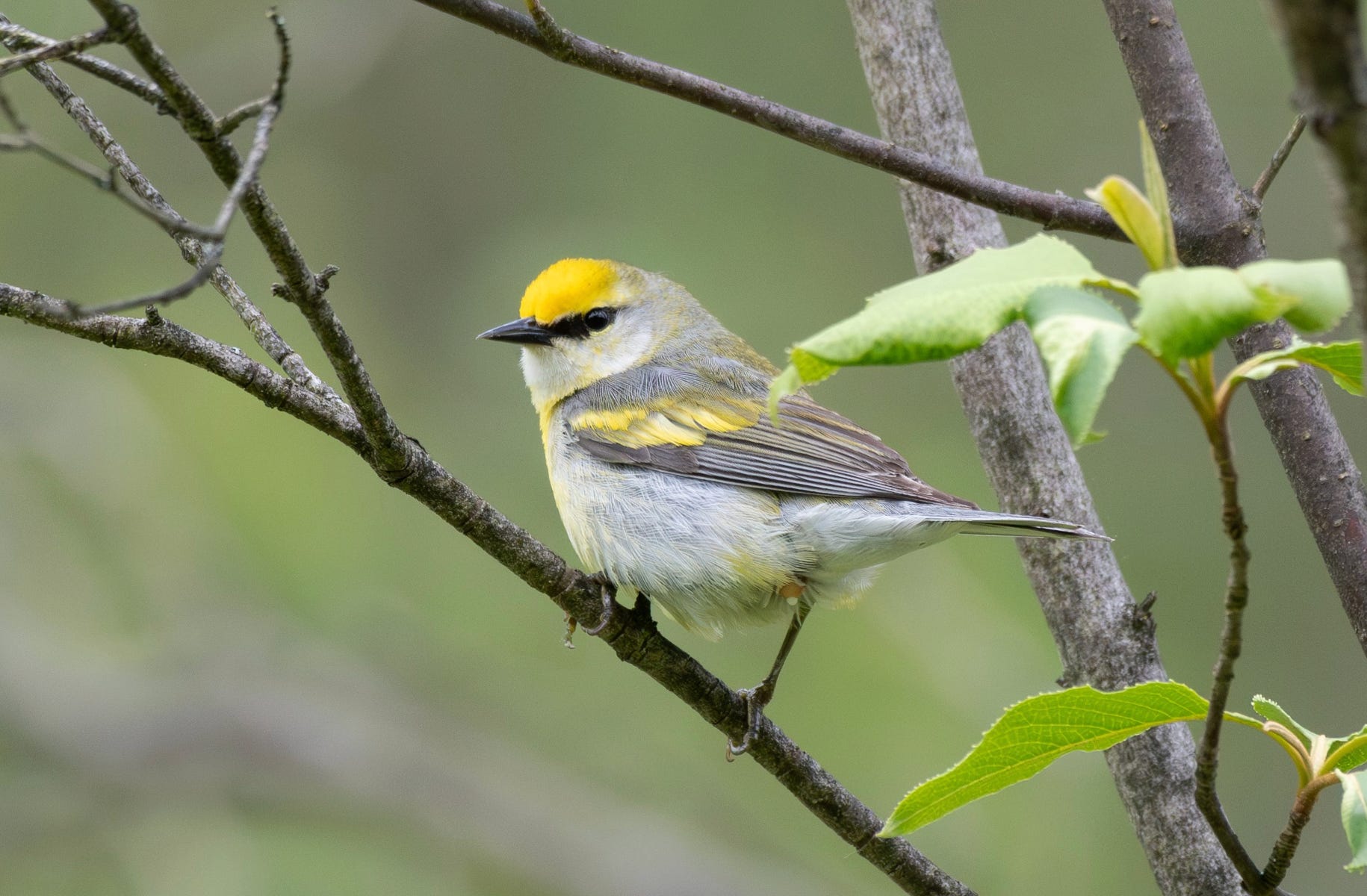
After spending months learning field marks, plumage patterns, structure, habitat preferences, and vocalizations, it can be tempting to think that every warbler fits neatly into a set of identification rules.
Then spring arrives, and a Golden-winged Warbler sings a Blue-winged Warbler song. Or a Black-throated Blue Warbler gives a song that sounds remarkably like a Cerulean. Or you encounter a bird that appears to be two species at once.
Welcome to the 401 level.
At this stage, the challenge is no longer simply identifying warblers. Instead, it becomes understanding variation, exceptions, and the biological realities that create them. Warblers are living organisms, not field-guide illustrations, and some of the most fascinating lessons come from circumstances that break the rules.
In this lesson, we’ll explore song variation, song learning, hybridization, and some of the challenges that arise when birds (surprise surprise) don’t read the field guide. While these situations are generally the exceptions rather than the rule, understanding them will make you a stronger birder.
Whether you encounter a hybrid, hear a bird singing an unexpected song, or find yourself working through a particularly challenging identification, these experiences reveal an important truth: nature rarely fits perfectly into the categories we create for it. The better we understand variation within and between species, the better prepared we become for whatever appears in the field.
Two Songs, One Bird
One of the first surprises many birders encounter in the field is that warblers often possess more than a single song type. You may be walking through the woods and hear a Black-throated Green Warbler delivering its familiar “zee zee zee zee zo zee,” often referred to as its accented song and commonly heard across northern forests. Later in the season, you might hear something similar but subtly different—an unaccented “zee zee zo zo zee” variation.
Many birders can go a lifetime without realizing that these differences are not simply variation, but distinct songs with different functions.
Keep reading with a 7-day free trial
Subscribe to Birding University to keep reading this post and get 7 days of free access to the full post archives.