
Birding Tip: Never Stop Birding
Staying tuned in to birds beyond planned outings

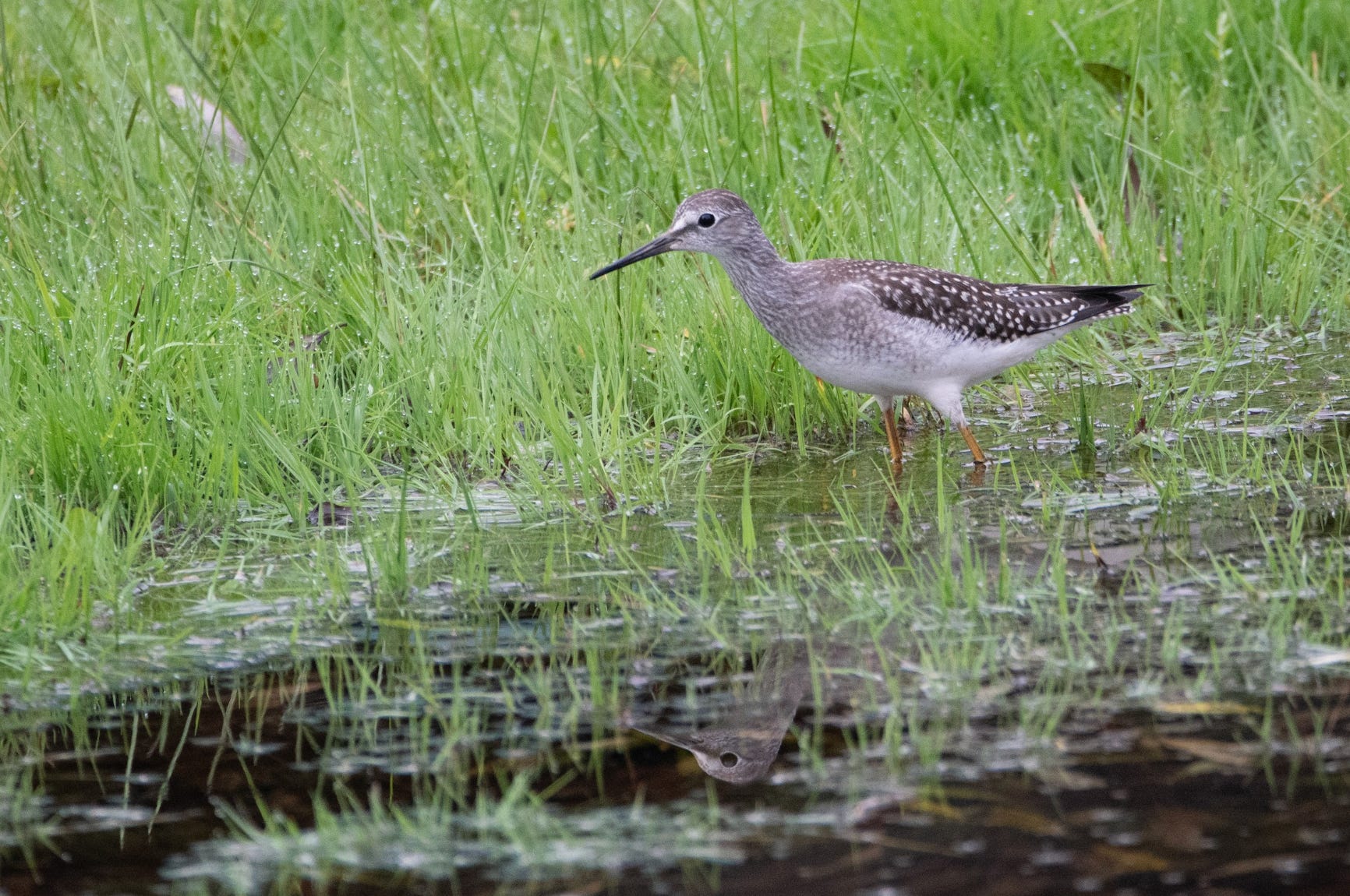
Welcome to the birdy side of the internet! This week’s newsletter explores what it means to experience migration beyond planned outings and into the flow of everyday life. In This Week in Birding History, we step into a spring morning with Henry David Thoreau, whose journal captures the immediacy and sensory overload of peak migration. In Birding Tip, we focus on a simple but powerful shift: treating birding not as an activity, but as a constant state of awareness—one that helps you catch more birds in the small, unscripted moments of your day.
This Week in Birding History: A Spring Migration Morning with Thoreau
May 4, 1853 — One hundred seventy-three years ago today, philosopher and naturalist Henry David Thoreau was immersed in the sounds of spring migration near his home in Concord, Massachusetts. Like many birders today, Thoreau recorded his observations in a field journal—though his entries often read more like streams of consciousness than structured checklists, capturing the immediacy and overwhelm of peak migration.
As you read the following passage, try to identify the species he describes. Notice how his thoughts shift rapidly from one bird to the next, mirroring the experience of spring birding—songs overlapping, movements fleeting, and some voices remaining frustratingly out of sight.
Thoreau’s journal entry on this date reads, with original punctuation:
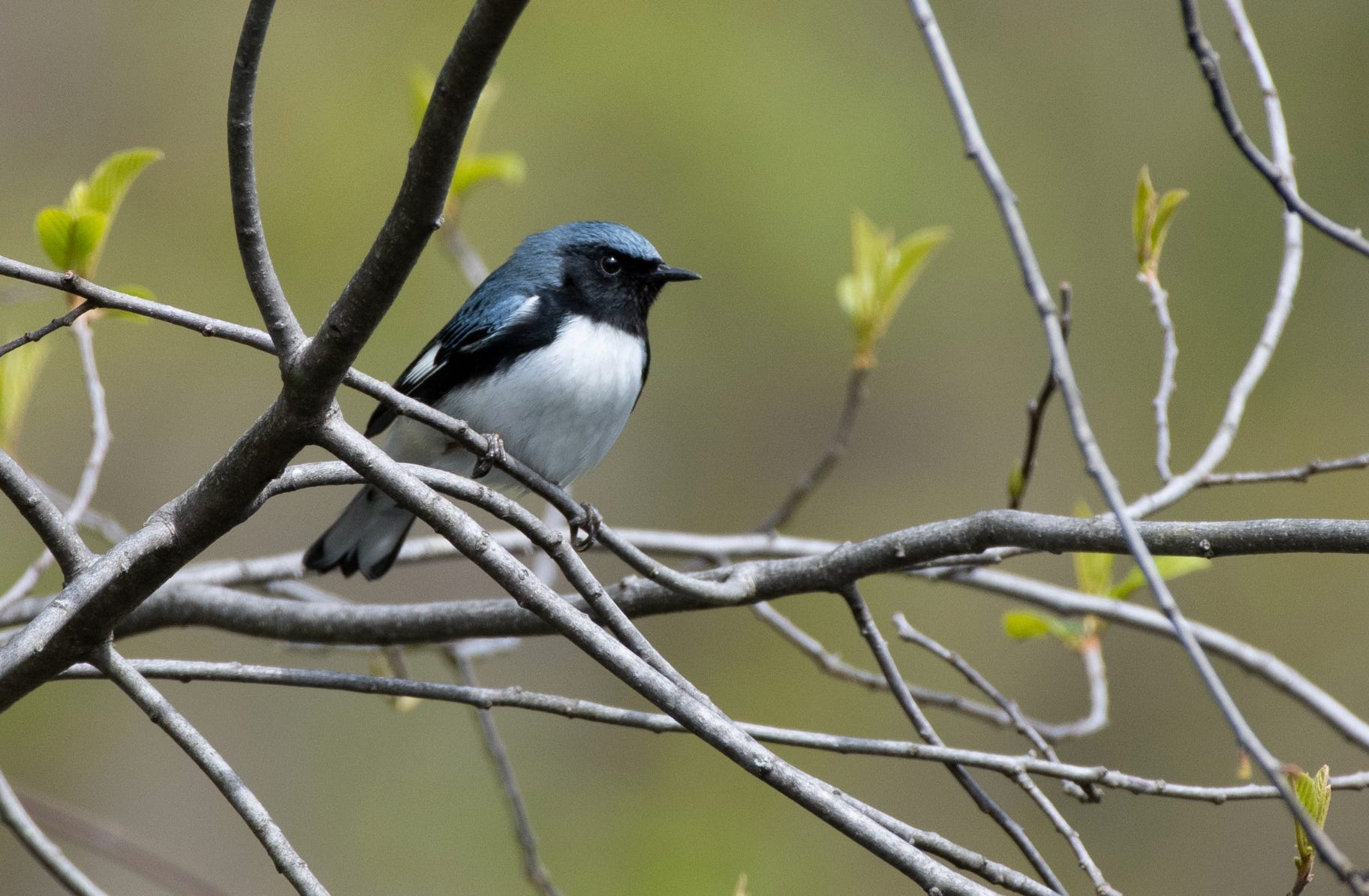
“The woods and fields next them now ring with the silver jingle of the field sparrow–the medley of the brown thrasher–the honest que vive of the chewink–or his jingle from the top of a low copse tree while his mate scratches in the dry leaves beneath. The black and white creeper is hopping along the oak boughs head downward–pausing from time to time to utter its note like a fine delicate saw–sharpening–and ever and anon rises clear over all the smooth rich melody of the wood thrush. Could that have been a jay? I think it was some large, uncommon woodpecker that uttered that very loud very laid strange cackling note…. The indigo bird and mate dark throat and light beneath and white spot in wings not described. A hoarse note and rapid the first two or three syllables–twe twe twee dwelling on the last or twe-twe, twe, twee e or as if an r in it tre etc. not musical.”
Many of the species Thoreau referenced can be translated into modern names: Field Sparrow, Brown Thrasher, Eastern Towhee (his “chewink”), Black-and-white Warbler (the “black and white creeper”), and Wood Thrush. The plumage and song of Thoreau’s “indigo bird,” however, accurately describe a Black-throated Blue Warbler, rather than an Indigo Bunting.
Though few scholars consider Thoreau an expert birder—he often struggled with groups like thrushes and sparrows and approached birds more philosophically than scientifically—his journals still hold value for modern birders. Each entry captures a species, a date, and a place, forming an early record of seasonal bird activity in New England. More than 170 years later, his words still evoke the sensory richness of spring migration, reminding us that while tools and techniques may change, the experience of being surrounded by birds in May remains much the same.
Birding Tip: Never Stop Birding
One of the most limiting ideas in birding is that it’s something you do only when you’re out in the field—binoculars up, checklist ready, time deliberately set aside. That mindset works well enough in winter or during slow periods. But in migration, it will quietly cost you birds. During peak birding seasons, birds are everywhere, often in places you would not expect. The best birding experiences aren’t necessarily the ones that come from spending hours in the field—they’re the ones that come when you least expect them.
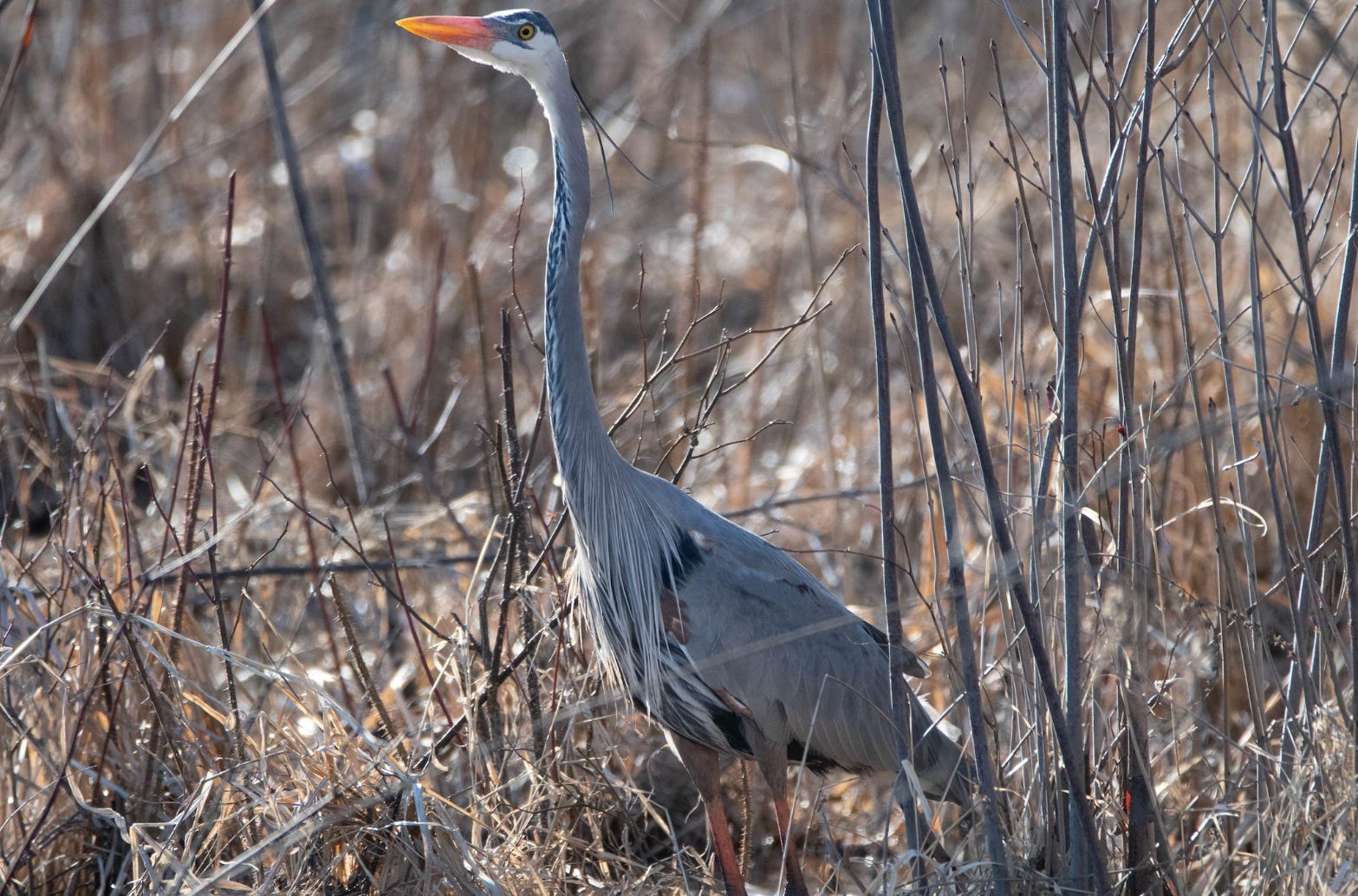
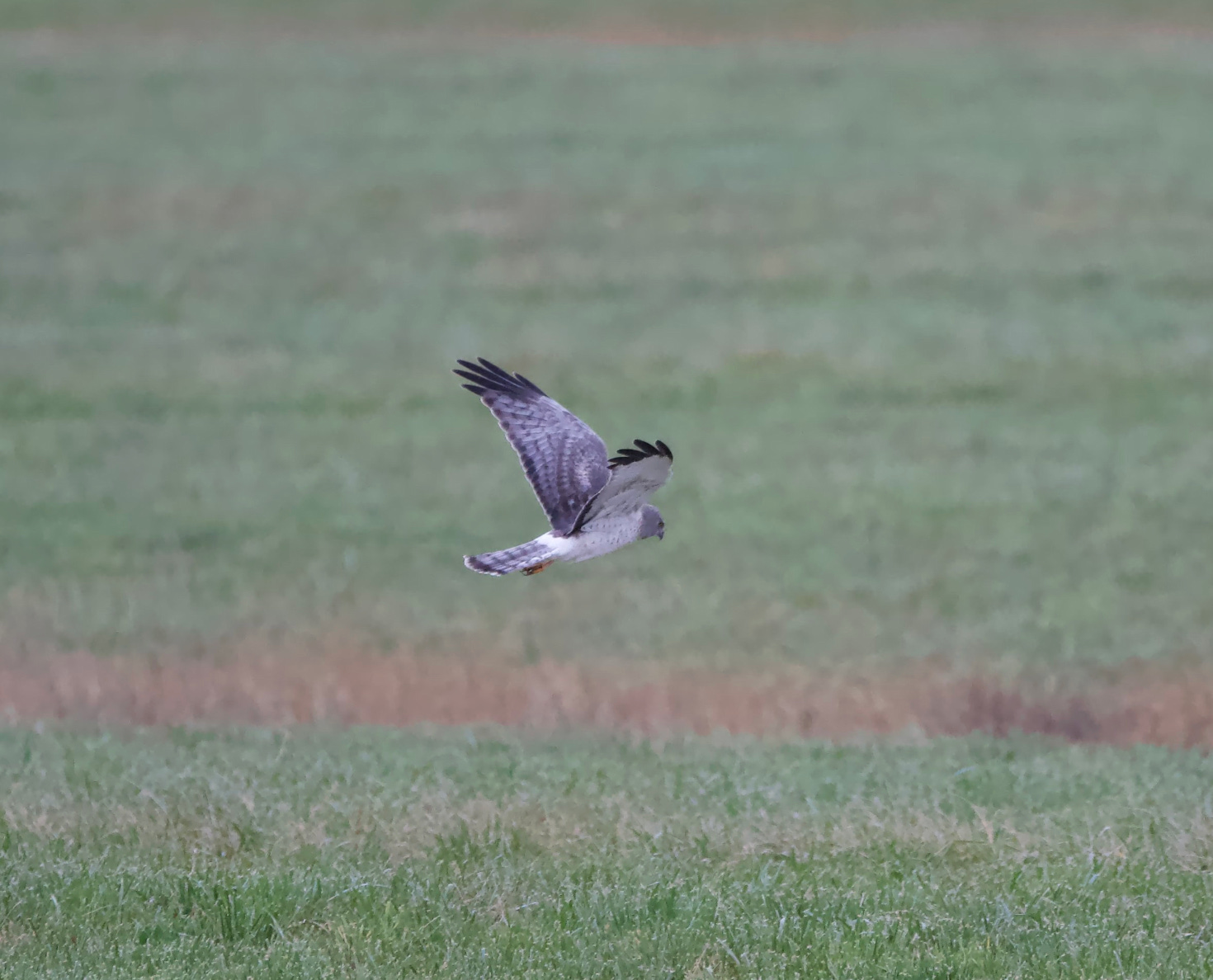
Migration compresses opportunity into brief, unpredictable windows. A warbler fallout might last an hour. A flock of shorebirds could drop into a retention pond for a single afternoon. A passing raptor might ride a thermal over your neighborhood while you’re walking to your car. If your birding is confined to planned outings, you will miss these moments. If your birding senses are always on, you’ll start catching them.
Birding Is a State of Awareness
At its core, birding is about awareness. If you build a habit of noticing small details or patterns, you will continue to improve your birding skills. That might mean pausing when you hear an unfamiliar chip note while taking out the trash. Over time, your brain automatically begins to filter for birds. You recognize flight calls without thinking. You pick out movement in a tree line while out on a walk. The shift from birding as an activity to birding as awareness is where your detection rate quietly explodes.
Build Birding Into the Margins of Your Day
The easiest way to adopt this mindset is to stop waiting for perfect conditions and start making the most of the small moments you already have.
Yard work becomes birding time. Errands become mini checklists. Retention ponds behind your local grocery store can turn up shorebirds, waterfowl, or wading birds during migration. Step outside for five minutes and focus on sound. Leave a pair of binoculars in your car. Tune into nature and tune out the business of the world.
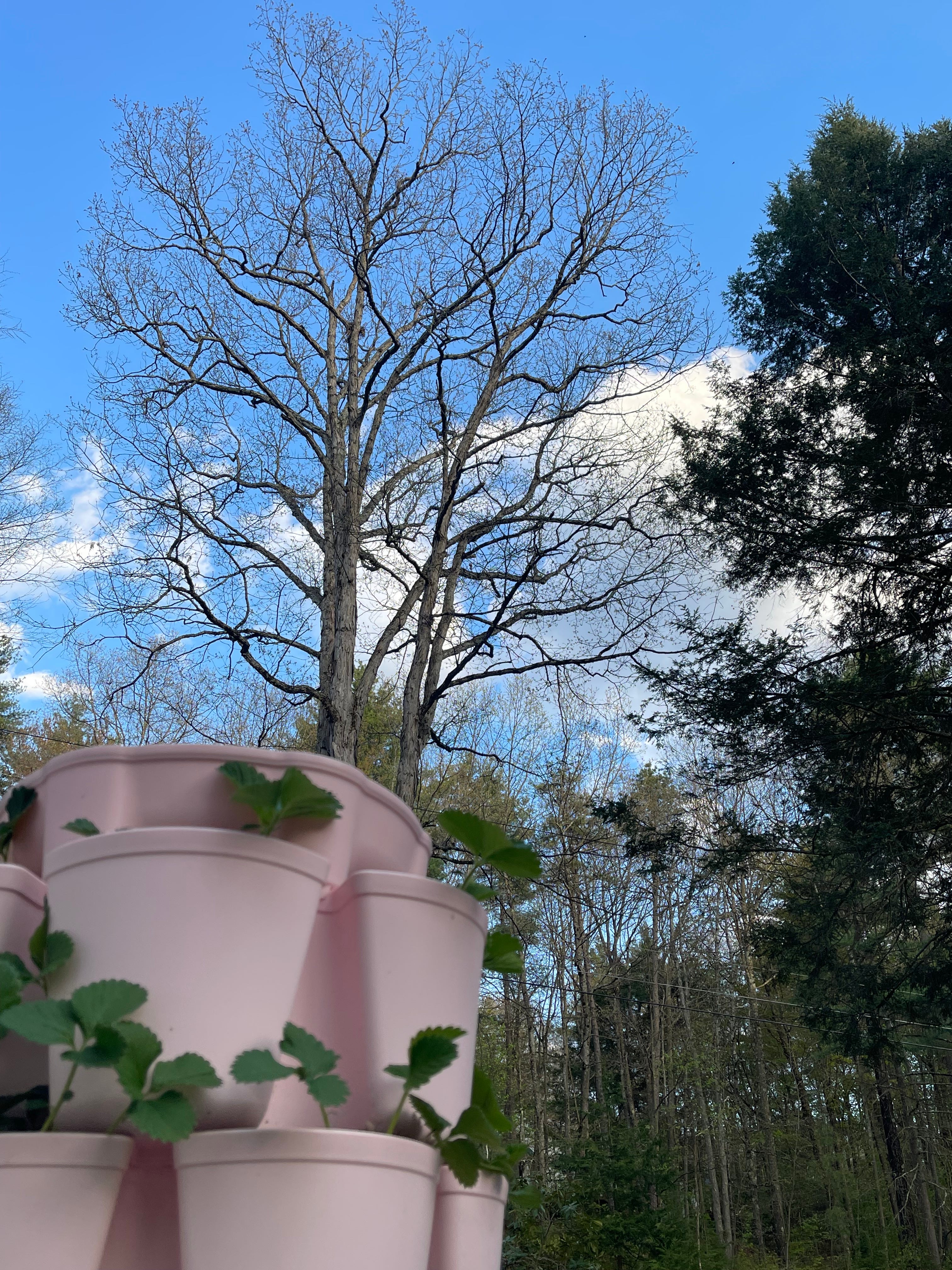
Let your home become your birding hotspot. Watch your yard; many birders underestimate how many species can be detected right around their homes. A single tree can host a rotating cast of migrants throughout the day. The best part about this type of birding is that none of it requires extra time—it simply reframes the time you already have.
Lower the Barrier to Engagement
To make this approach sustainable, reduce the friction between you and the birds. Keep your binoculars accessible—by the door, in your car, or even around your neck. If you enjoy tracking bird migrations and movement, tools like BirdCast can help you anticipate when spontaneous bursts of birds are most likely to occur.
The Compounding Effect
What makes this habit powerful is how it compounds over time. Each small moment adds up. You begin to notice patterns: which trees attract migrants and when, which sounds signal something unusual. The goal is not to formalize every observation, but rather to make observations informal and a part of your day-to-day routine.
There are also real health benefits to keeping birding woven into your daily routine. Even brief moments of attention can reduce stress and improve mental clarity. Time spent noticing birds pulls you out of constant mental noise and into the present moment, functioning much like active mindfulness. Over time, this habit can help lower baseline stress levels and improve overall mood in an effortless, rather than intentional, way.
On a more physical level, birding encourages low-intensity, consistent movement. Short walks, standing, looking up, and shifting your attention throughout the day all add up. Instead of long, infrequent outings, you’re building a steady rhythm of light activity that supports cardiovascular health and reduces sedentary time. The result is a routine that’s not only more productive for birding but also quietly beneficial for both your mental and physical well-being.
Birding doesn’t have to be something you schedule. During migration, it’s something that’s happening around you constantly. The opportunity isn’t limited by time or location—it’s limited by attention. Let birding sit just below the surface of your day. Stay aware, stay curious, and be ready, because at any moment something remarkable might pass right in front of you.
Thanks for Reading
The more you open your awareness to what’s happening around you, the more you get out of every outing. Birding stops being something that only happens in special moments and starts becoming part of how you move through the world—where even familiar places can feel new, and each walk or errand carries the possibility of something worth noticing.
Support Birding University
If you enjoy our work, you can show your appreciation with a one-time tip by buying us a “bird-friendly coffee.” Every contribution helps us keep creating content you love!
What a nice read. I’m gonna book mark this
As a doctor, I’m drawn to birding for a simple reason, it uses the same skills I rely on in medicine, but without the weight of responsibility. It’s pattern recognition, attention to subtle signals, and learning to see what others might miss, just in a quieter, more forgiving setting.
What I find restorative is that nothing needs fixing. You observe, you notice, you stay curious. Over time, it sharpens awareness while gently lowering the constant background noise that comes with clinical work.
It’s a rare combination: mentally engaging, physiologically calming, and effortlessly consistent. In many ways, it feels like the same mind, just finally off duty.